
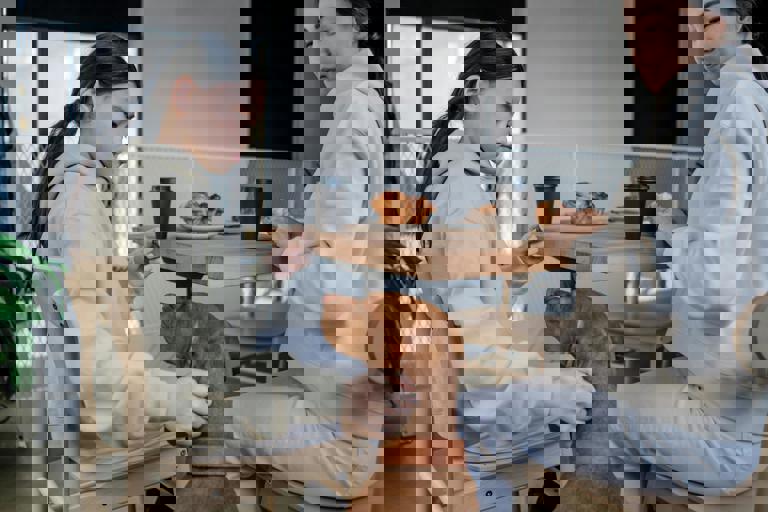
Britain’s love affair with dogs has reached new heights as an increasing number of cafés and restaurants adapt their operations to welcome four-legged patrons. The trend of dining out with canine companions, once considered niche, has quickly gained traction across the hospitality sector. Establishments are no longer content with simply tolerating pets; instead, they are actively courting dog owners by redesigning spaces and services to be unmistakably pet-friendly.
Many newly designated pet-friendly cafés have gone far beyond merely allowing dogs on their premises. Owners now find that venues frequently provide dedicated dog menus, complete with treats such as pup-friendly ice cream, biscuits, and even ‘pawsecco’. Water bowls are a standard offering, and some restaurants have introduced comfortable dog beds or blanket areas to ensure paws are as pampered as people. This hospitality, experts say, encourages longer visits and boosts customer loyalty.
The business logic behind this surge is clear. According to the Pet Food Manufacturers’ Association, around 12 million, or nearly one in three, households in the UK now own a dog. As more Britons adopt pets, service industries are recognizing the opportunity to tap into this demographic. “Dog owners are passionate about including their pets in social activities,” notes David Harvey, manager of a popular chain café with pet policies. “We’ve seen a steady uptick in foot traffic and overall sales since introducing dog-friendly facilities.”
Not only do these adaptations drive profits, but they also foster a stronger sense of community among customers. For many dog owners, visiting pet-friendly cafés doubles as a chance to meet like-minded individuals, exchange tips, and socialise in a relaxed environment. Caroline Walsh, a regular café patron, explains, “It’s not just about convenience — it’s about connecting. When a café welcomes my dog, it feels like a welcoming space for all of us.”
Restaurants have cooperated with local veterinarians and canine nutritionists to ensure that dog menus are safe and healthy. This diligence goes a long way in reassuring owners concerned about dietary issues. Some venues even collaborate with animal welfare organizations to host special events like dog meetups or charity fundraising days, further embedding themselves in their neighbourhood’s social fabric.
Staff members at pet-friendly establishments often receive training on managing animals and ensuring a harmonious atmosphere for all guests. This includes how to greet dogs calmly, recognise canine stress signals, and maintain hygiene standards. “Cleanliness and safety are priorities, especially during busy periods,” points out Priya Desai, a front-of-house manager. “With the right staff training, everyone — human and canine — enjoys their visit.”
Despite the overwhelming enthusiasm for dog-friendly dining, challenges persist. Allergies, phobias, and noise concerns mean some customers remain wary of pet-inclusive venues. In response, many establishments clearly designate dog-friendly zones or implement booking systems to balance the needs of all diners. By listening to feedback and adapting layouts, restaurants continue to refine their approach to inclusivity.
Looking ahead, the integration of dogs into Britain’s dining culture appears poised to grow, with more businesses recognising the benefits for both commerce and community. Hospitality experts predict further innovation as technology enables easier reservations and greater customisation of pet services. As the nation’s bond with its dogs grows even stronger, it seems clear that our furry friends are here to stay at the heart of Britain’s burgeoning café scene.